

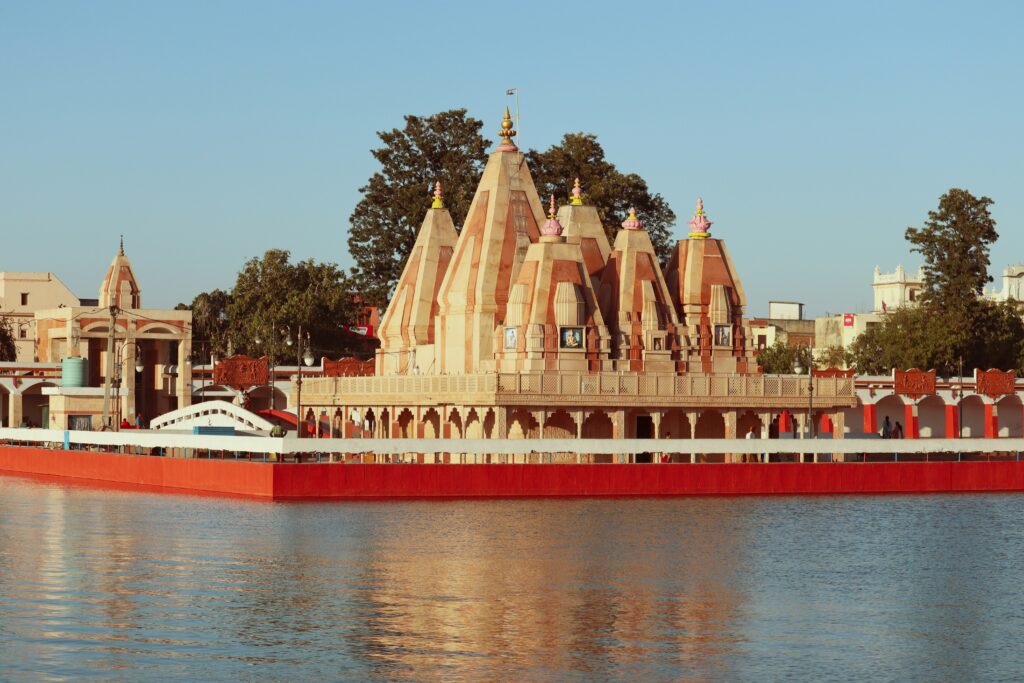
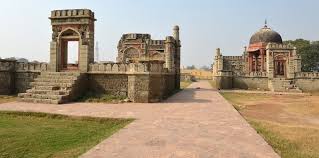
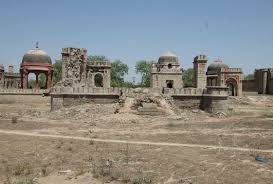
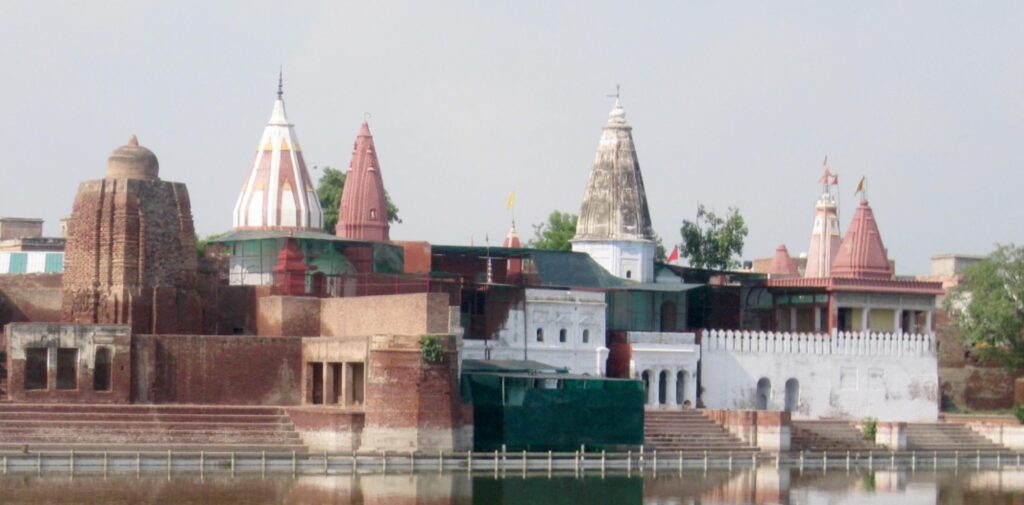
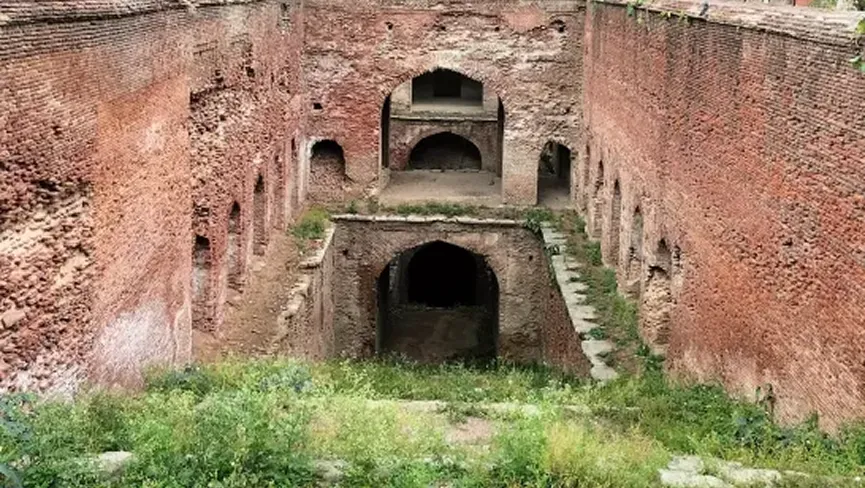
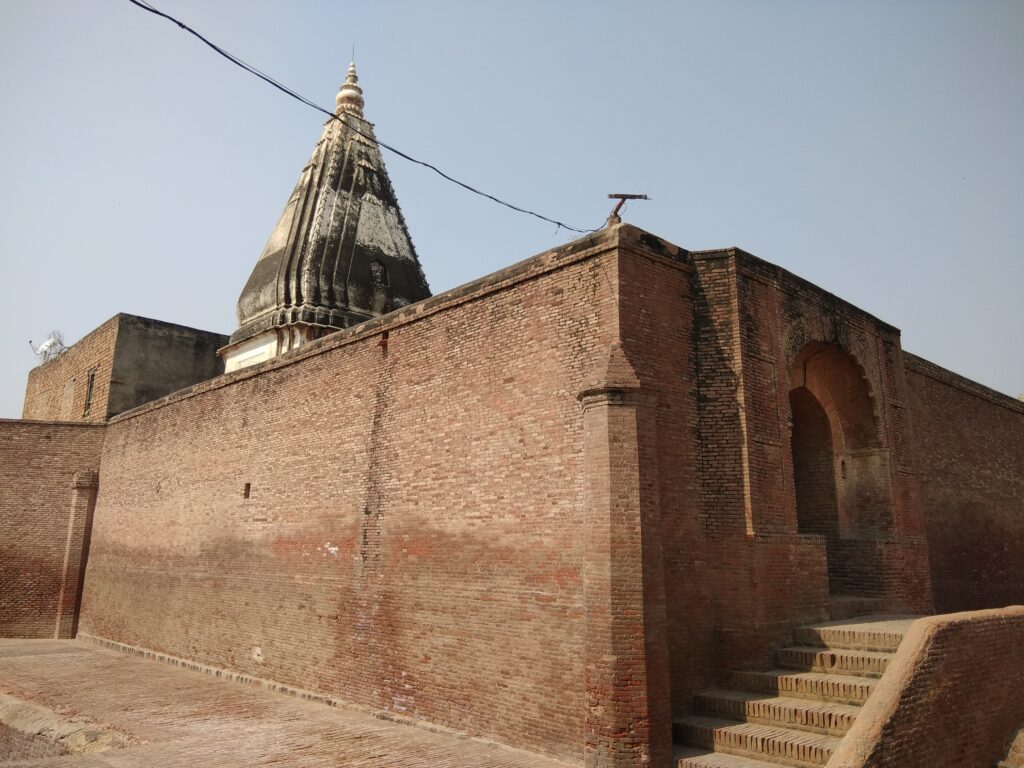
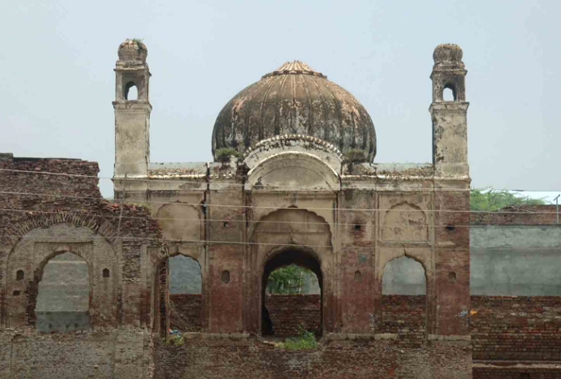
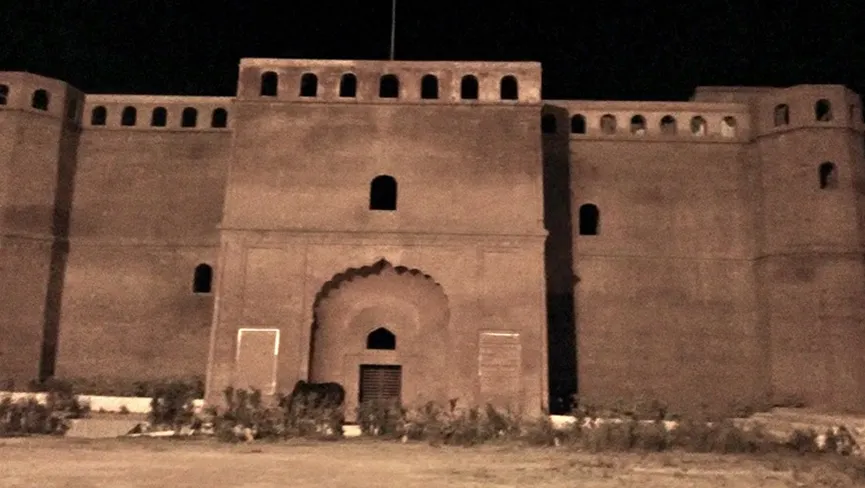
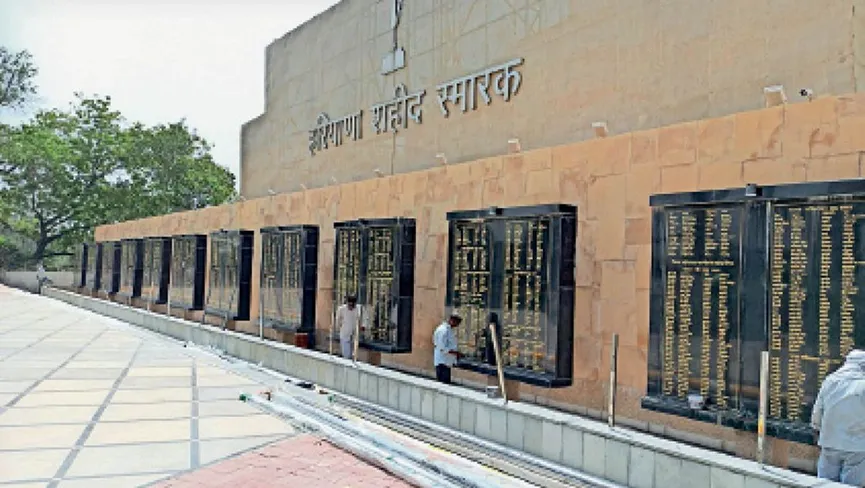
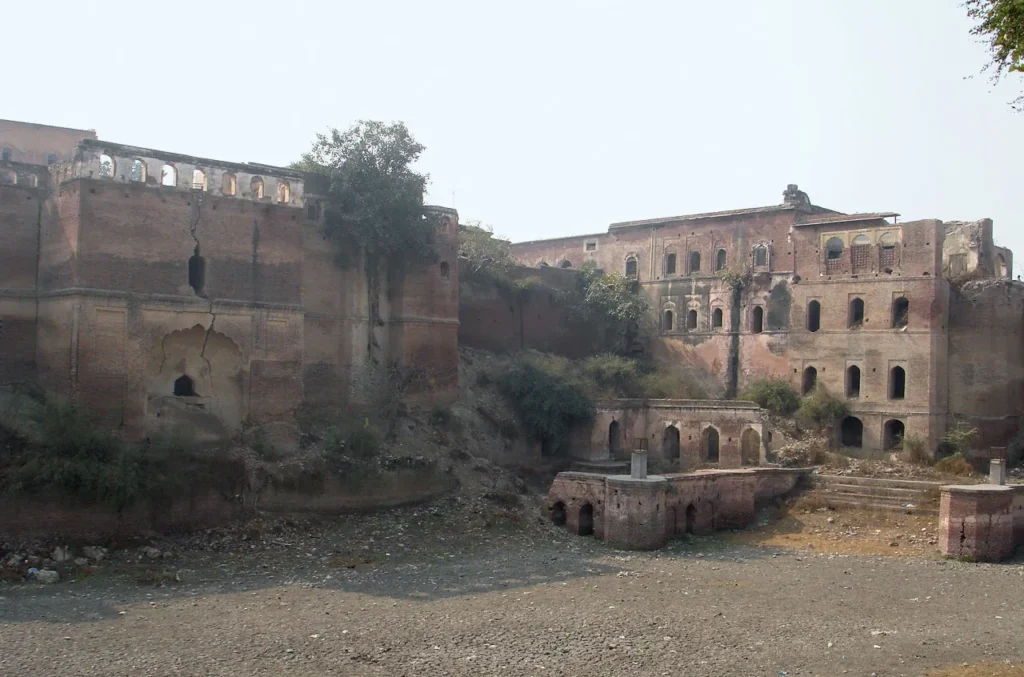

Kaithal is a historic city located in the state of Haryana, India. It is known for its cultural heritage and religious importance connected to ancient history. Agriculture is the main occupation, and the region is famous for rice production. The city has several temples, markets, and traditional lifestyle values. Today, Kaithal is developing rapidly while maintaining its historical and cultural identity.
The Land of Heritage and Growth
Kaithal is primarily an agriculture-based district, with crops like wheat, rice, and sugarcane playing a major role in the local economy. Along with agriculture, the city is steadily growing in areas such as education, healthcare, small businesses, and local industries.
The city is well connected by road and rail to major cities like Chandigarh, Delhi, Karnal, and Kurukshetra. It offers a balanced lifestyle with educational institutions, hospitals, markets, and public facilities that support the daily needs of residents.Today, Kaithal represents a blend of tradition and modern development, making it an important district in Haryana with strong community values, economic growth, and cultural identity.
History of Kaithal
Ancient Period (Before 6th Century CE)
Archaeological and traditional accounts suggest that Kaithal is an ancient settlement with deep religious roots. The city was historically known as Kapil Sthala, believed to be the place where the great sage Maharishi Kapil meditated. Ancient texts and local traditions describe the region as an important spiritual center attracting saints and devotees. Its fertile land and water resources supported early settlements, agriculture, and religious communities.
Early Medieval Period (6th – 12th Century CE)
During the early medieval period, Kaithal continued to grow as a religious and cultural center. The town attracted pilgrims, scholars, and spiritual leaders from nearby regions. Local rulers and communities supported the construction of temples and religious institutions, making Kaithal a hub for faith, learning, and cultural exchange.
Mughal Period (16th – 18th Century)
Under the Mughal Empire, Kaithal developed as an important administrative and military location due to its strategic position in northern India. Several Mughal-era structures, including mosques and historical buildings, were constructed during this time. The town also became a center for trade and local administration.
Colonial Era (18th – 20th Century)
During British rule, Kaithal became part of the colonial administrative system. Infrastructure such as government offices, roads, and public institutions was developed. The region also contributed to India’s freedom movement, with local participation in nationalist activities.
Legacy & Heritage
Today, Kaithal reflects a blend of ancient heritage and modern development. Its historical identity is preserved through:
Kapil Sthala, honoring its spiritual origins.
Ancient temples and religious traditions that continue to attract devotees.
Colonial-era administrative structures and civic institutions.
A strong agricultural base and growing urban economy.
Kaithal remains an important district of Haryana, known for its cultural values, religious heritage, education, and steady progress toward modernization.
Population
0+
Historical Monuments
0+
Historical Temples
0+
Cultural Festivals
0+
Nearest Transport for Kaithal
The nearest airport to Kaithal is Chandigarh International Airport, located approximately 110–120 km away.

Kaithal has its own railway station that connects the city to nearby towns and major junctions such as Kurukshetra, Karnal, and Narwana pulvinar dapibus leo.

Kaithal is well connected by road through Haryana Roadways and private buses. Regular bus services operate to major cities